Tracking trees
Drought, drones, and decades of data in the Cypress Hills





Drought, drones, and decades of data in the Cypress Hills
New funding helps unlock hidden networks inside bacteria
U of R recognized for impact on sustainable development
The U of R’s Microgrid Living Lab is powering research, learning, and innovation.

Winners named the U of R’s 3MT Finale Showcase
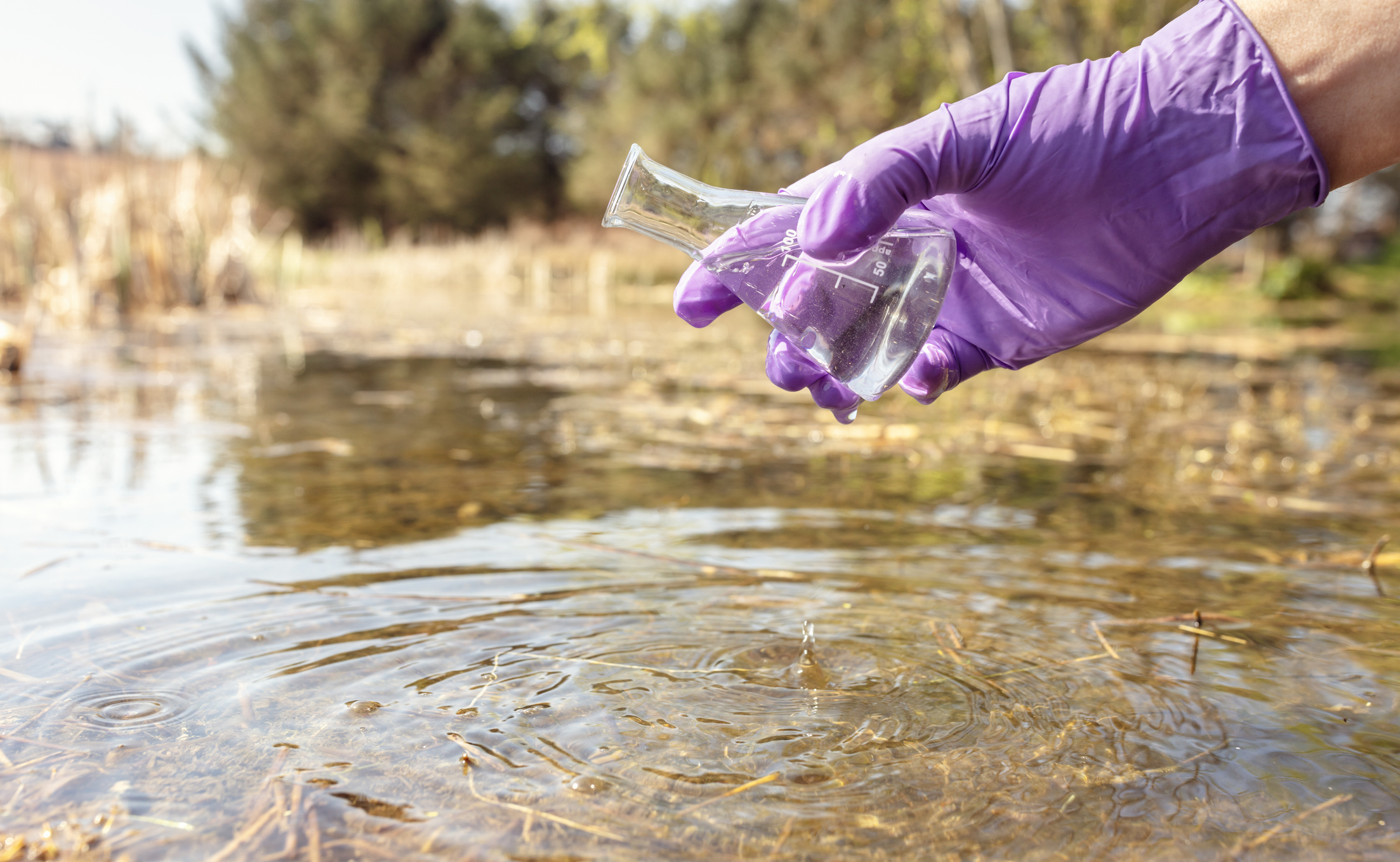
A long-term study investigates how water quality is changing in Saskatchewan lakes

U of R economics student finds excessive online shopping an enduring effect of COVID-19.

Creatine is now linked with improved bone health in postmenopausal women.

Mapping EV infrastructure to meet drivers’ needs, achieve emissions target

U of R researchers receive more than $350,000 in SHRF funding.

University of Regina professors receive close to $3.5 million in research funding for projects that have the potential to change the lives of people in Saskatchewan and around the world.

Dr. Taiwo Afolabi has been awarded a tier 2 Canada Research Chair (CRC) in Socially Engaged Theatre.

PSPNET program expands to the Maritimes thanks to financial support from the Medavie Health Foundation and partners.

Dr. Patrick Neary and his team received funding to explore the effectiveness of medical cannabis products in treating concussions.

U of R research shows that mercury-contaminated fish can recover.

U of R and partners receive $1.27 million in research funding for a Northern Saskatchewan virtual health-care pilot project.

U of R postdoc’s research on a novel gene moves us closer to better treatment, possible cure for Parkinson’s.

Thanks to undergraduate student Kiegan Lloyd, the University of Regina now has its own undergraduate research journal.

Research shows depression during perimenopause is more common than you might think.

Saskatchewan anglers can now share fish data with U of R researchers

Bat Week runs from October 24 to October 31

Film professor Dr. Sheila Petty has been elected as a Fellow into the prestigious Royal Society of Canada.
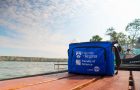
The University of Regina has been recruiting citizen scientists from across the province to test the water in more than 35 provincial lakes.

Categorizing intimate partner violence perpetrators can increase victim safety and prevent violent re-offense.

The future of wearable technology holds limitless potential for elite athletes to optimize and enhance their athletic performance.

Co-ordinated cyberattacks can create massive disruptions to infrastructure and supply chains. New treaties are needed to prevent cyberwarfare, but it’s challenging to predict technological advances.

Research funding enables U of R researchers to address health challenges and improve health outcomes for the people of Saskatchewan.

Master’s student Kristyn White is creating space for young adults living with complex physical disabilities to share their thoughts on sexuality and sex positivity thanks to a recent 2SLGBTQ+ Equity, Diversity, Inclusivity Micro-Grant from the University of Regina Queer Initiative and the Humanities Research Institute.

Microbiologist Dr. Andrew Cameron, whose fascination with the living world began at an early age, is using genomics to spot and study variations in the coronavirus.

Psychology master’s student Cynthia Beck is tailoring an internet-delivered cognitive behaviour course to address the particular needs of farmers and those working in agricultural environments.
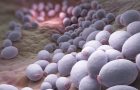
Graduate student Easter Ndlovu is exploring the connection between cancer and Candida.

Psychologist Dr. Gordon Asmundson is tracking emotional and behavioural responses to COVID-19, which change rapidly, just like the science itself.

This art-based research project is delivered to older adults over the phone helping to combat the social isolation of COVID-19.

Years of research show that Indigenous, Black and racialized people experience over-policing but also, under-policing, as was the case with the RCMP investigation into Colten Boushie’s death in 2016.

University of Regina astronomer Samantha Lawler created a fun and informative video that explores our solar system.

The U of R’s Canadian Energy Transition Hub will be a key part of Canada’s clean-energy solution.

Exploring the impact of older adult’s living arrangements on their well-being during COVID.

U of R researchers argue that COVID-19 offers an opportunity to rethink healthcare in the Canadian correctional system.

PhD student Jared Suchan has developed a climate in a box, called the Bench-Scale Atmospheric Simulator.

U of R physicist Zisis Papandreou and his team have built the Generation-II BioPETx nuclear imaging detector – one of the world’s most advanced tools for looking inside living plants.

Tarun Katapally is using citizen science to tackle COVID-19 in Indigenous communities.

Environmental engineer Kelvin Ng is working with the City of Regina to develop a waste prediction model over the remaining waves of the COVID-19 pandemic.

A new online resource helps child services workers support the mental health and well-being of vulnerable children and adolescents.

University of Regina biology students are shining a light on Regina’s most surprising fly-by-night operation.

Trevor Grant and Layton Burton help fight mental illness and stigma through filmmaking.

Abdul Bais and Muhammad Asad are helping farmers selectively apply herbicides to weeds, reducing crop and environmental damage.

Astronomer Samantha Lawler tests the theory of a Planet 9 existing in the outer reaches of our solar system.

University of Regina graduate students are working to find natural solutions to pressing farming problems.

Delasi Essien is uncovering the colonial practices embedded within nursing education, and finding ways to deconstruct them.

Amy Zarzeczny works to address policy challenges associated with stem cell-based treatments.