





A road washed out by flooding in a rural community in Saskatchewan. (Photo courtesy of Amber Fletcher)
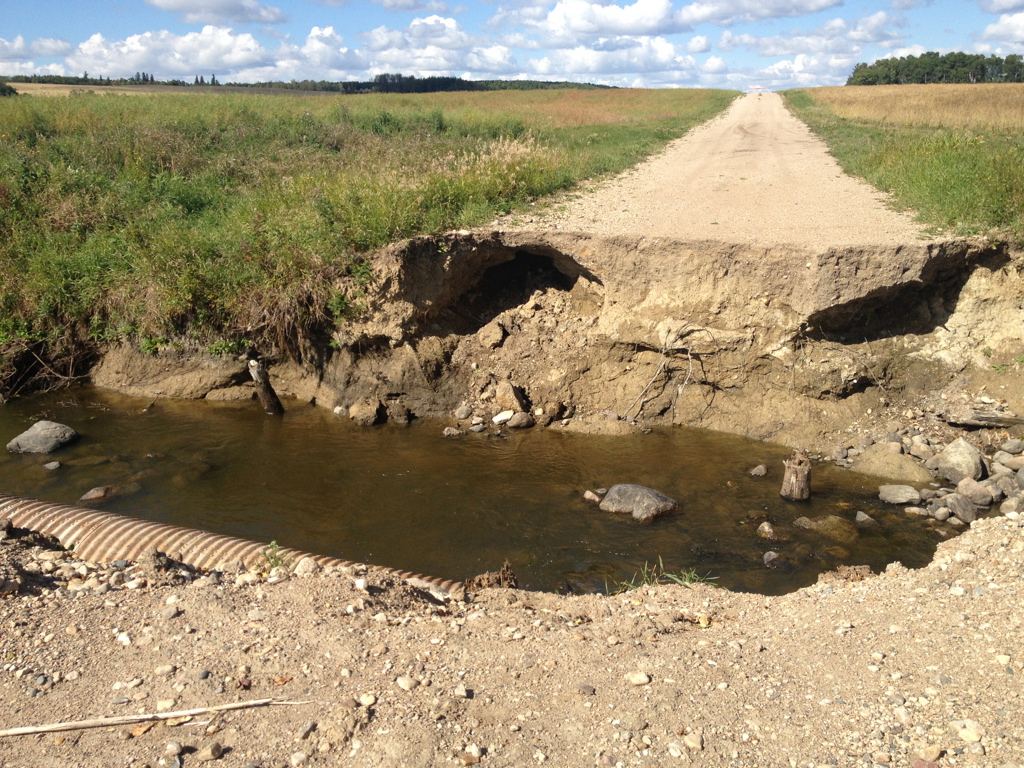
This spring and summer, floods and wildfires have forced thousands of Canadians from their homes, washed out roads, and forced communities across the country to declare states of emergency.
“Climate disasters are increasing in frequency and severity across Canada,” says University of Regina researcher and sociology professor Dr. Amber Fletcher.
But, Fletcher says, climate disasters don’t affect everyone equally. “Factors such as income, race, culture, gender, age, and disability can influence how well people are able to prepare for, respond to, and recover from emergencies.”
Fletcher hopes to help change that. She has received a $2.4-million Social Sciences and Humanities Research Council (SSRHC) Partnership Grant to lead a national effort to help communities prepare for climate disasters in more equitable and inclusive ways.
The five-year project, Connecting to Place through Disaster Response, will explore how post-secondary institutions can effectively work with local communities before, during, and after climate disasters, like floods and wildfires. The research will bring together universities, community organizations, emergency management experts, students, and people with lived experience to develop more inclusive and equitable approaches to disaster planning.
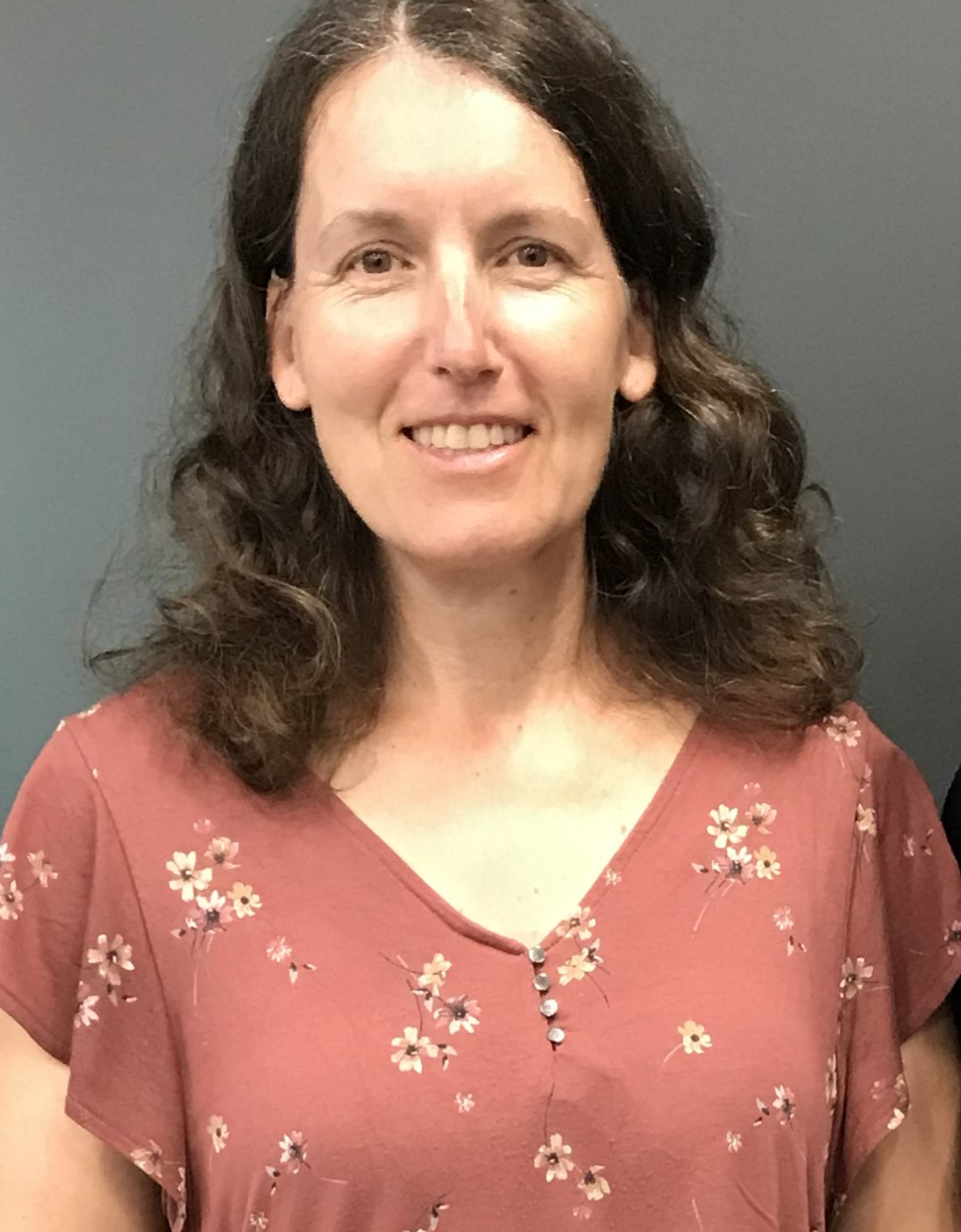
Dr. Magda Goemans is the manager of CCECanada is co-lead on the project. (photo courtesy of Magda Goemans)
In addition to the focus on community-campus engagement, the project is structured as a partnership between the University of Regina and Community Campus Engage (CCE) Canada, a national nonprofit organization. Dr. Magda Goemans, manager of CCECanada will co-lead the project with Fletcher.
“CCECanada is excited to co-lead a study that demonstrates the impact of community-campus partnerships through the timely lens of climate disaster responses in communities, says Goemans. “As we actively support partnerships between community-based organizations and academic institutions at multiple scales over the next five years, we are eager to continue the strong relationship that we have developed with the University of Regina through several pan-Canadian research projects.”
Fletcher says universities often play a central role in their communities through research and learning. “Because of that, our project aims to build stronger partnerships that recognize community expertise and ensure disaster planning includes the voices and needs of equity-deserving people.”
Teams of researchers and community partners will conduct six community-based case studies across Canada, each focused on a different challenge.
The University of Regina team will partner with the Provincial Association of Transition Houses and Services of Saskatchewan (PATHS) - a member association for agencies that provide intimate partner violence services across Saskatchewan. This case study will examine how emergency planning can better protect and support violence survivors when disasters force women’s shelters to evacuate.
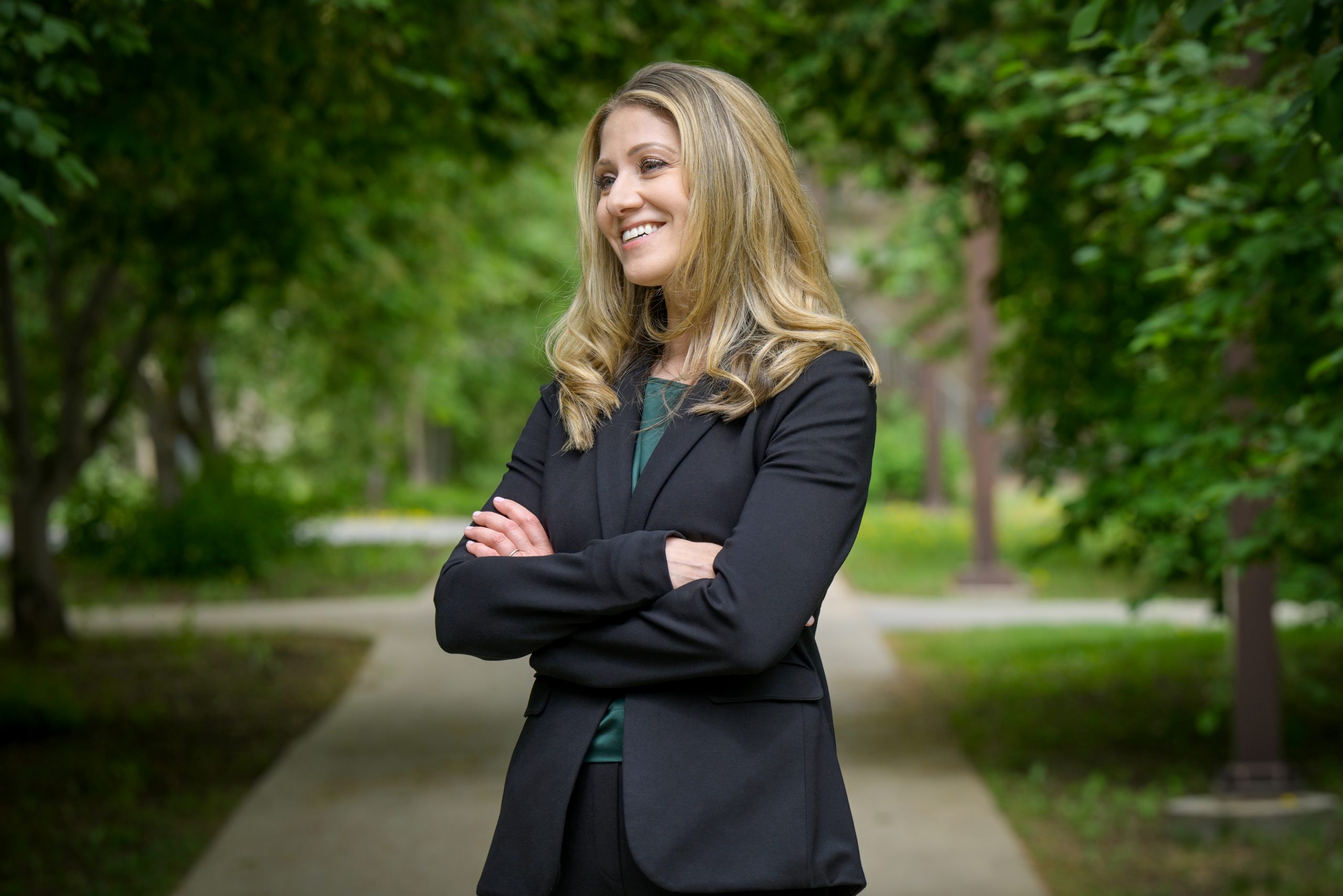
“For example, if a women's shelter is relocated to university dorms during a wildfire or flood, our team will explore how campuses can help ensure survivors remain safe, secure, and separated from the people who have harmed them,” says Fletcher. “We will then use these findings to help develop more inclusive disaster response plans for universities, shelters, emergency responders, and community organizations.”
The overall project will create a national knowledge-sharing network so organizations can connect and learn from one another. The researchers will develop resources such as podcasts, videos, disaster-response workshops, and virtual reality simulations to help communities, policymakers, and post-secondary institutions build more inclusive emergency plans.
Students will also play an important role by participating in research, initiating and leading their own community-engaged projects, and helping shape the direction of the initiative.
“Ultimately, the project will help communities become more resilient to climate disasters by strengthening relationships, sharing knowledge, and ensuring disaster planning reflects the diverse experiences of community members,” says Fletcher.
Dr. Chris Yost, Vice-President (Research) at the University of Regina, says the project highlights the University's commitment to addressing complex social challenges through collaborative research that is inclusive, equitable, and informed by the diverse needs of communities.
“The University of Regina is proud to lead this national collaborative project, which will strengthen partnerships between post-secondary institutions and communities while helping to ensure that disaster planning better supports those who have historically been underserved.”
As part of the government’s bundled announcement, three U of R researchers also received Insight Development Grants:
Dr. Brian McQuinn received $99,035 for his project, Combating Chinese Foreign Information Manipulation and Interference
Dr. Gabriela Novotna received $78,340 for her project, Compassion, Care and Coercion: Discursive Pathways to Involuntary Substance Use Treatment in Western Canada
Dr. Megan Perram received $28,231 for her Co-Authoring Illness Narratives with Generative AI: Insights from Women Experiencing Medically Unexplained Symptoms

From Prairie wetlands to the building blocks of matter
U of R researchers receive close to $3 million in federal funding
Read More