
A breakthrough for women’s health
Creatine is now linked with improved bone health in postmenopausal women.






Creatine is now linked with improved bone health in postmenopausal women.

Mapping EV infrastructure to meet drivers’ needs, achieve emissions target

A U of R researcher is helping to transform wastewater sludge into useful and environmentally friendly products.

Vote for University of Regina research photos!

Dr. Mohan Babu and his team awarded $2 million USD for autism spectrum disorder research

Some of our best and brightest minds meet Regina’s business community.

A new trauma-focused prenatal group program aims to interrupt the generational cycle of trauma.

University of Regina environmental engineer secures federal funding to develop a self-powered, portable device for water disinfection and pollutant removal

Dr. Mark Brigham has changed many lives and has created a legacy of highly-trained biologists.

An exciting new discovery opens a window to the past.

Dr. Gwen Grinyer is the first open, out, and visible trans woman physicist in Canada.

The federal government is providing funding so our researchers can help to ensure a violence-free Canada.

U of R researchers receive funding to conduct health research that aligns with the needs of Saskatchewan.

Thanks to federal funding, U of R health researchers are able to do the work that helps improve the lives of Canadians.

Engineer Dr. Denise Stilling is turning used face masks into weather-resistant landscape bricks that can withstand a Prairie winter.

Translating more than 40,000 documents will help the Cowessess First Nation team discover the identities of those buried in hundreds of unmarked graves.

U of R’s Dr. Janine Brown’s research addresses the complicated topic of Medical Assistance in Dying and multiple sclerosis.

Online therapy is helping to protect the mental health of public safety personnel and their families.

Silenced Sisters is a student’s photo-based response to the Missing Murdered Indigenous Women and Girls (MMIWG) movement.

How one U of R prof is hoping to change the shape of fanwear to be more inclusive.

Dr. Gordon Asmundson has been appointed an Officer of the Order of Canada for his ongoing research, mentorship, and clinical practice in the field of mental health.

Engineer Dr. Denise Stilling is taking flax residue and turning it into something useful – pole caps that can preserve the wood of utility poles.

Master’s student Dami Egbeyem has created a way to show us our emotions

Dr. Mohan Babu and his research team rapidly designed and confirmed which peptides would bind to the SARS-CoV-2 spike surface protein, thus detecting which peptides can be used to detect COVID-19 in real time.

Dr. Gordon Asmundson is a newly elected fellow in the Canadian Academy of Health Sciences

Dr. Elise Matthews receives SHRF funding to help people with intellectual disabilities be part of the decision-making process about their own health.

New U of R microgrid will help increase local energy generation, such as thermal, hydro, and solar.

U of R researchers receive more than $350,000 in SHRF funding.

Public Health Agency of Canada provides $20 million to U of R researchers to support and deliver mental health interventions to frontline health care workers, public safety personnel, and their families.

University of Regina professors receive close to $3.5 million in research funding for projects that have the potential to change the lives of people in Saskatchewan and around the world.

Dr. Taiwo Afolabi has been awarded a tier 2 Canada Research Chair (CRC) in Socially Engaged Theatre.

PSPNET program expands to the Maritimes thanks to financial support from the Medavie Health Foundation and partners.

Dr. Patrick Neary and his team received funding to explore the effectiveness of medical cannabis products in treating concussions.

Happy new year! A new year brings the opportunity to set new goals, play with fresh ideas, and strengthen our commitments to initiatives that will move us toward a more sustainable future. Discourse Research Magazine is doing all of the above. To do our part to cut our carbon emissions and reduce our environmental footprint, […]

U of R research shows that mercury-contaminated fish can recover.

U of R and partners receive $1.27 million in research funding for a Northern Saskatchewan virtual health-care pilot project.

U of R engineering student’s competition-winning design is attracting interest from the aerospace industry.

U of R postdoc’s research on a novel gene moves us closer to better treatment, possible cure for Parkinson’s.

Thanks to undergraduate student Kiegan Lloyd, the University of Regina now has its own undergraduate research journal.

Humanitarian turned researcher is studying how social media has fundamentally changed armed conflict and political violence.

Research shows depression during perimenopause is more common than you might think.

Saskatchewan anglers can now share fish data with U of R researchers

Accolades recognizes a few of the honours U of R researchers have received in recent months.

Bat Week runs from October 24 to October 31

Film professor Dr. Sheila Petty has been elected as a Fellow into the prestigious Royal Society of Canada.
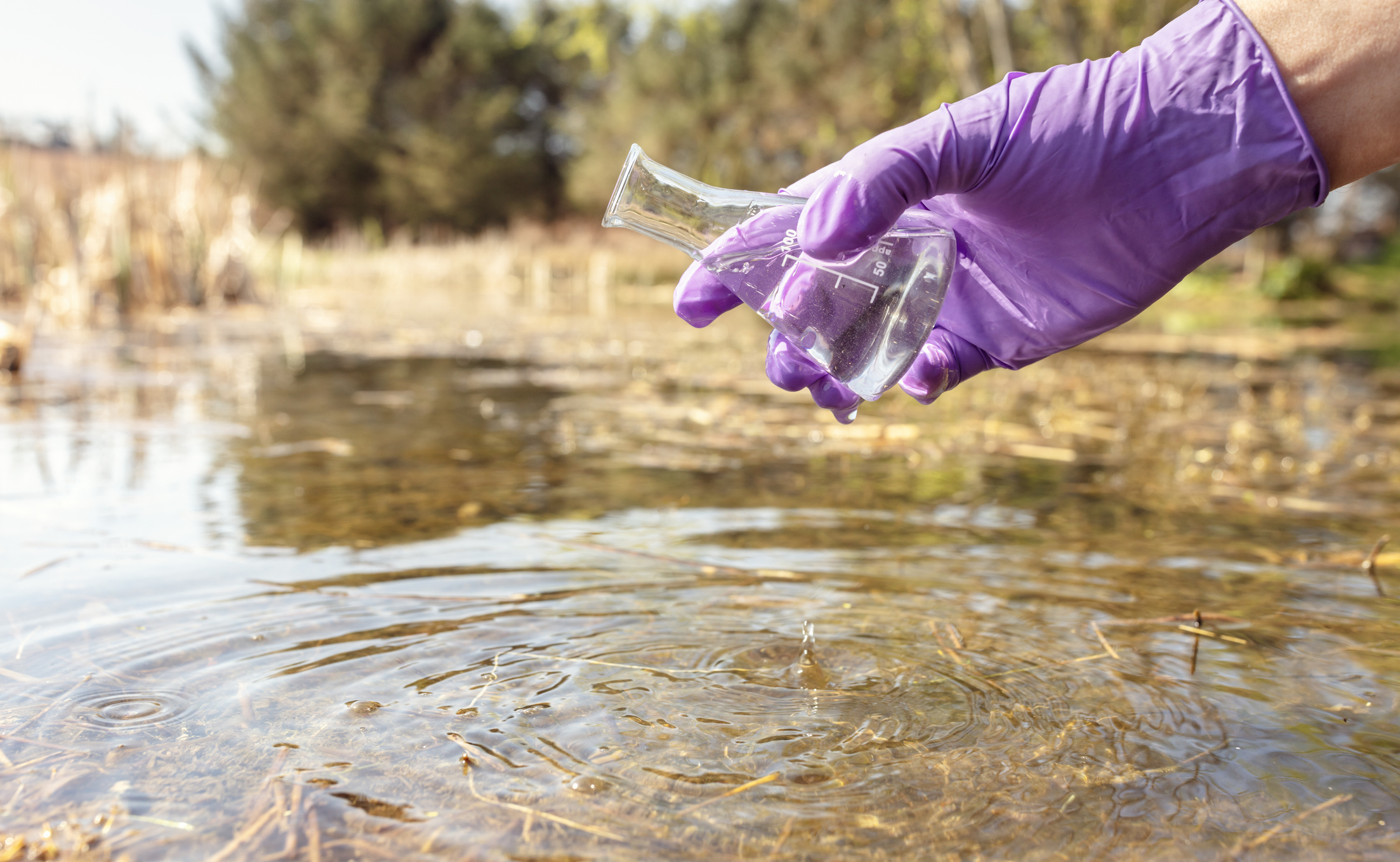
The University of Regina has been recruiting citizen scientists from across the province to test the water in more than 35 provincial lakes.

Categorizing intimate partner violence perpetrators can increase victim safety and prevent violent re-offense.

The future of wearable technology holds limitless potential for elite athletes to optimize and enhance their athletic performance.

Co-ordinated cyberattacks can create massive disruptions to infrastructure and supply chains. New treaties are needed to prevent cyberwarfare, but it’s challenging to predict technological advances.

Megaconstellations threaten to affect the quality of our ability to stargaze.